From Newsbreak:
NEIGHBORS BRISTLE AS $34.6 MILLION SLUDGE-TO-FERTILIZER PLANT TARGETS ODOR-HIT ST. JOHNS SITE

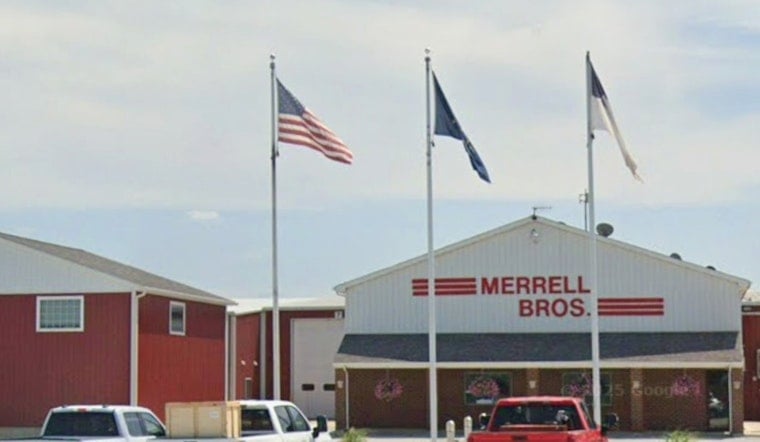
St. Johns County could get a $34.6 million sludge-to-fertilizer plant on land already notorious for bad smells, and neighbors are not exactly lining up to welcome it.
Merrell Bros. has formally pitched a design-build facility that would turn the county's wastewater residuals into a commercial fertilizer product, while locking in a local, long-term disposal option.
County leaders are now deciding whether to pursue a public-private partnership to finance, build and run the project on a site that has already drawn years of odor complaints.
As first detailed by the Jacksonville Business Journal, Merrell's proposal calls for taking dewatered biosolids from the county and processing them into a fertilizer that can be sold into the market.
In return, the company is asking the county to consider a long-term partnership structure that would back construction costs and ongoing operations.
Merrell Bros., headquartered in Indiana, is no stranger to Florida's sludge problems.
The company already operates a public-private FloridaGreen facility in Pasco County that uses enclosed solar greenhouses and belt drying to create a Class A fertilizer.
Coverage by BioCycle describes a greenhouse and pasteurization system that Merrell says sharply cuts the kind of outdoor composting odors that tend to set off neighbors.
That Pasco plant is frequently pointed to as the working template for county partnerships in the state.
County files include a series of letters from Merrell warning that statewide disposal options are tightening just as St. Johns County's biosolids volumes have been climbing, making a local treatment hub more urgent.
Records with the St. Johns County Clerk show the company pushing for an updated hauling rate and arguing that a local design-build-operate plant could help stabilize long-term costs.
In one letter, the company wrote, "Merrell Bros. is honored to provide biosolids transportation, treatment, and recycling services to municipalities across the country."
Residents have for years pointed to operations at the nearby Indianhead Biomass site as the likely source of persistent smells, and neighborhood organizers have pressed both county and state regulators to crack down.
The advocacy group Stop the Stink has compiled odor complaints and local accounts, and highlights an active biosolids permit application tied to Indianhead (FLAB03976) as part of its push for stricter oversight.
Industry experts say the timing of Merrell's proposal is not a coincidence.
Florida's tightening rules on land application of lower-treated sludge, along with growing concern over PFAS contamination, have utilities racing to lock in in-state treatment capacity rather than paying to haul material long distances or send it to landfills.
Reporting by WLRN outlines how new bans and testing mandates are pushing investment toward higher-level treatment and recycling systems like the one Merrell is offering.
For St. Johns County commissioners, the pitch is both a potential operational fix and a political minefield.
They will have to juggle neighbor concerns about odors, state permitting hurdles and the financial risk of a multi-million-dollar build against the promise of long-term cost control and local disposal security.
The Jacksonville Business Journal reports that talks are still in the early stages, and any deal would need board approval and a full slate of regulatory sign offs before construction could actually begin.
Permits, Contracts And What To Watch
Whether the plant moves forward will hinge on two big buckets of paperwork: county procurement rules and state environmental permits. The language in the county's existing hauling contract, along with Florida's oversight of biosolids facilities, will shape what any public-private deal is allowed to look like. Resolution files and correspondence from Merrell in the St. Johns County Clerk records lay out possible bidding paths and contingency plans if current recyclers fall short. On the state side, permit records in the Florida DEP system will be key milestones to watch as the county decides whether to sign on to Merrell's proposal or look for another way to deal with its growing biosolids pile.


No comments:
Post a Comment